
When to Visit Lake Como: A Month-by-Month Guide
By Global Transfer Italy · Updated 17 September 2026
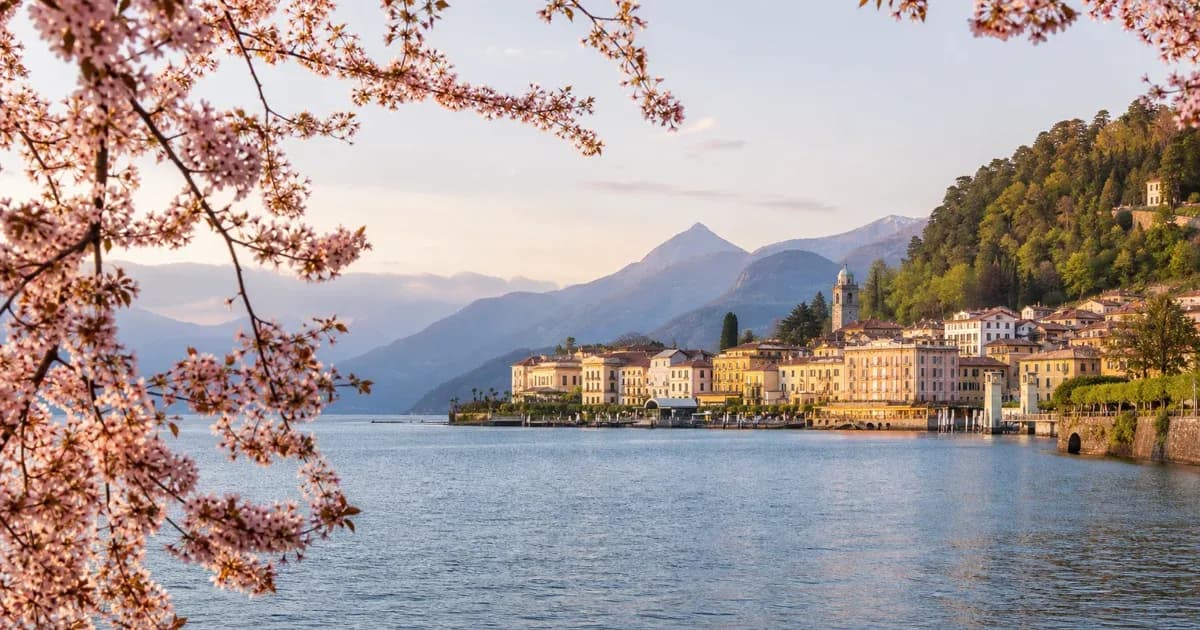
May and September offer the best starting point for a Lake Como trip: generally milder conditions than midsummer and less pressure from peak holiday crowds. Neither month guarantees dry weather or empty waterfronts. Summer suits long days outdoors; winter works better for a quiet town-based break than a packed itinerary of villas and boat trips.
January to March: quiet streets, limited flexibility
January brings short days and winter conditions. Choose Como as a base if cafés, town walks and a slower pace matter more than visiting several lakeside villages. A sunny afternoon can be pleasant, but it does not make this an outdoor summer destination.
February follows much the same pattern. There is less tourist activity, yet lower demand does not mean every hotel offers a bargain: some seasonal accommodation and attractions may be closed.
March is a transition rather than a dependable start to summer. Allow room for rain and cool weather, and check opening dates before organising a day around a particular garden or villa. A flexible itinerary is more useful than an ambitious list of stops.
April and May: gardens, holidays and rain plans
April brings longer days and a more convincing spring atmosphere. Easter can fall in March or April, so check the calendar: a holiday weekend can feel very different from an ordinary weekday. Do not assume spring automatically means quiet boats or inexpensive rooms.
May is a strong choice for gardens, lakeside walks and sightseeing without the full heat of summer. Rain remains possible, so avoid making every day dependent on clear views or a long boat excursion.
For accommodation, compare the actual dates and cancellation terms. Moving a stay away from a holiday weekend can matter more than choosing April instead of May.
June to August: long days and peak-season compromises
June suits travellers who want plenty of daylight for exploring. It is a useful option for combining towns and time outdoors, although popular waterfronts are already busy. Leave spare time between transport connections.
July brings summer heat and heavy visitor demand. Start walks earlier, keep the hottest part of the day flexible and avoid treating a boat timetable as a guarantee of immediate boarding.
August requires the most tolerance for holiday crowds. Ferragosto falls on 15 August, within Italy’s main summer holiday period. Accommodation demand can be strong; booking early gives more choice but does not guarantee the lowest rate. Thunderstorms can interrupt summer plans, too.
September and October: two different autumn trips
September is often the best alternative to May. It can still support a trip focused on the lake and outdoor sightseeing, but popular places remain popular: this is not an empty-lake season. Keep a rain option and reserve accommodation with the same care as in summer.
October suits a slower itinerary, with shorter days and cooler conditions. Check boat schedules and attraction opening dates for the precise week of travel. A route that works comfortably in September may offer fewer options later in autumn.
Choose September for a broader outdoor programme; choose October if atmosphere and unhurried town visits matter more than fitting everything in.
November and December: plan around the towns
November is better for a short, quiet stay than for an ambitious circuit of the lake. Reduced daylight and possible seasonal closures make the choice of base important. Savings on a remote hotel can disappear into extra transport costs.
December adds Christmas travel demand to the winter picture. Festive events depend on the town and year: verify published programmes before booking around a market or celebration. Holiday dates are not necessarily cheap, even when the wider season is quiet.
Getting there without overspending
For solo travellers and couples staying in a town served by rail, trains are usually cheaper than a private car. Check the complete journey from Malpensa, including any changes and the final bus, boat or taxi. Seasonal connections matter especially outside summer.
Using the supplied 70 km Lake Como reference route, Global Transfer costs approximately €170 for an E-Class carrying up to 3 passengers, or €200 for a V-Class carrying up to 7. These are prices per car, rounded to the nearest €5. The reference driving time is about 70 minutes, subject to traffic; the lake is a large area, so the destination address matters.
For Bellagio, the supplied 78 km route gives approximately €185 and €215 respectively. A private transfer becomes easier to justify with luggage, children or a group sharing the fare, particularly when onward public transport adds several stages.